What Makes a Pizza Place in Cheyenne Stand Out
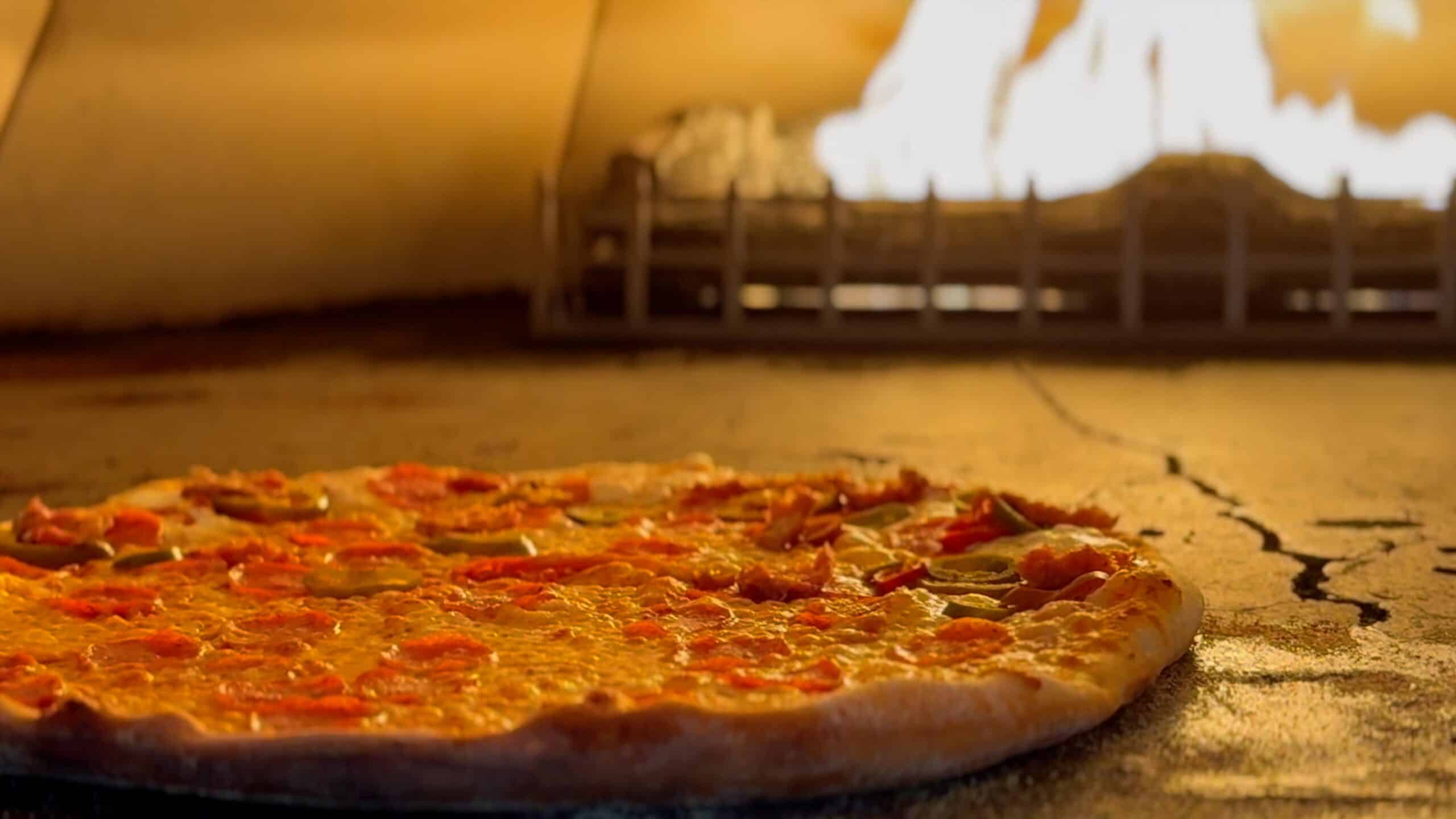
A memorable pizza place is rarely defined by one thing alone. It is not just the crust, not just the sauce, not just the dining room, and certainly not just the number of toppings on the menu. The places people return to, recommend to coworkers, and defend in friendly local arguments usually get a cluster of decisions right. They understand food, timing, hospitality, and the habits of the town they serve.
That is especially true in a place like Cheyenne, where diners tend to notice value, consistency, and whether a business feels rooted in the community rather than dropped in from somewhere else. When someone searches for a pizza place Cheyenne residents actually talk about, they are usually looking for more than a generic meal. They want quality, yes, but they also want a place that respects their time, serves food with care, and fits the rhythms of local life.
Pizza can look deceptively simple. Flour, water, tomatoes, cheese. Yet anyone who has spent time around restaurants knows how quickly simple food exposes weak habits. A burger can hide behind condiments. A casserole can lean on richness. Pizza has nowhere to hide. If the dough is underdeveloped, if the oven is inconsistent, if the toppings slide, if the cheese breaks, if the box steams the crust into softness, customers notice. They may not describe the flaw in technical terms, but they feel it immediately.
The best pizza places stand out because they take that simplicity seriously.
It starts with the crust, even when customers say it does not
People often talk first about toppings. Pepperoni gets attention. Specialty combinations get social media posts. Cheese pulls get photographed. But crust is where the reputation of a pizza shop is built. In practical terms, crust affects nearly every bite. It governs texture, supports the toppings, influences flavor, and signals whether the kitchen understands timing and fermentation.
A standout pizza place in Cheyenne needs a crust with character. That does not mean one specific style wins every time. A good thin crust can be excellent. So can a hand-tossed pie with some chew, or a pan pizza with a crisp edge and soft interior. What matters is whether the style is intentional and executed consistently.
A proper crust should have structure. When you lift a slice, it should bend according to style, not collapse because the dough is weak or overloaded. The rim should show signs of life, whether that means blistering, browning, or a clean crisp edge. Even more important, the crust should taste like something on its own. If the outer edge feels like disposable bread, the pizza is incomplete.
This is where experienced operators separate themselves from average ones. Dough demands planning. It reacts to room temperature, humidity, mixing time, proofing, and cold storage. Cheyenne’s climate can influence kitchen conditions more than casual diners realize. Dry air changes how flour hydrates. Seasonal shifts affect proofing speed. A pizza place that stands out is usually one that has learned how to adapt instead of pretending the dough will behave exactly the same every day.
That kind of adjustment is not glamorous, but customers taste the result. The crust has a clean finish rather than a raw flour note. It is crisp where it should be crisp and tender where it should be tender. You do not have to explain it to people. They simply say, “This place has great pizza.”
Sauce and cheese reveal whether a shop values balance
The second major tell is restraint. Great pizza is not about putting the maximum amount of everything on top. It is about proportion. Too much sauce and the center turns wet. Too much cheese and all nuance disappears under fat and salt. Too many toppings and the pie eats like a casserole on bread.
The better pizza places understand balance at a glance. Their sauce is seasoned, but not aggressively. It supports the crust instead of drowning it. Some shops go for a brighter tomato profile, others for a slower-cooked richness. Either can work. The question is whether the sauce belongs to the pizza style being served.
Cheese matters just as much. A lot of restaurants talk about quality cheese, but quality in practice means more than price. It means selecting a cheese blend that melts properly, browns evenly, and complements the pizza place cheyenne sauce. It also means applying it with discipline. There is a difference between generosity and excess.
Customers may not use the word “balance,” but they recognize the effect. A well-built slice lets you taste the crust, the sauce, the cheese, and the topping in sequence. Nothing shouts over everything else. That kind of control gives a pizza place a sense of confidence. It says the kitchen does not need gimmicks to impress people.
The oven is part of the recipe
Many diners focus on ingredients and forget the machine doing the final work. Oven choice changes pizza dramatically. Deck ovens produce a different bottom texture than conveyor ovens. Wood-fired ovens bring their own heat curve, pace, and flavor contribution. Even within the same category, calibration and maintenance make a visible difference.
A standout shop treats the oven as a craft tool, not just a heating box. They know where hot spots are. They understand how a heavily topped pizza needs different handling from a simpler pie. They know when to rotate, when to let the crust set longer, and when to pull a pizza before the cheese oils out.
This level of attention matters most during pizza place cheyenne rush periods. Plenty of pizzas look good at 2:30 in the afternoon when the kitchen is quiet. The real test comes on a Friday night when orders stack up, the phone keeps ringing, and dine-in, takeout, and delivery all compete for oven space. The restaurants that stand out are the ones that maintain quality under stress. Their crust still browns properly. Their timing remains steady. Their pizzas do not start leaving the kitchen pale, rushed, or sloppily cut.
That consistency earns trust. Once customers trust a place to perform when it is busy, they stop hesitating before ordering for a family dinner, a game night, or an office lunch.
Local fit matters more than trendiness
A pizza place in a major coastal city can sometimes survive by chasing novelty. It can build buzz around one viral topping combination or a dining room designed mainly for photos. That approach tends to have a shorter shelf life in a market where people value substance and repeatability.
For a pizza place Cheyenne diners keep returning to, local fit matters. The business has to understand who comes through the door and why. Some customers want a quick weeknight pickup after work. Some want a reliable family meal at a fair price. Some want a relaxed sit-down spot where the food satisfies both adults and kids. Others are looking for late-evening convenience without sacrificing quality.
The best local operators usually show that understanding in small, practical ways. Their menu is broad enough to serve different tastes without becoming chaotic. Their ordering process is straightforward. Their portioning makes sense for groups. They know that a family ordering two pizzas wants both speed and accuracy. They know that lunch customers are watching the clock. They know that regulars appreciate recognition more than sales pitches.
This local awareness also shapes menu design. A standout pizza restaurant does not need fifty novelty pies. In fact, oversized menus often create operational problems that hurt the food. What works better is a focused core menu with a few house specialties that feel distinct and thought through. If a specialty pizza is on the menu, it should exist because the flavors genuinely work together, not because the shop wanted another line item.
Service turns a good meal into a habit
People tend to separate food from service when they describe a restaurant, but the two are tightly linked in customer memory. A solid pizza can be overshadowed by a rude handoff, a confusing pickup process, or repeated mistakes on simple orders. On the other hand, excellent service can deepen loyalty even when a kitchen has the occasional off night and handles it honestly.
At a pizza place, service is less about scripted polish and more about competence. Was the order taken correctly? Was the estimated time realistic? Was the pizza boxed properly? Did someone at the counter act like the customer mattered? Did the dining room stay clean during the rush?
These may sound basic, yet basic execution is where many shops fall apart. In my experience, guests are remarkably forgiving of small imperfections when they sense effort, ownership, and respect. They are far less forgiving when a restaurant acts disorganized and indifferent.
A place that stands out in Cheyenne usually shows professionalism without stiffness. The staff can answer simple menu questions. They know how to recommend a pie for someone who likes heat but not overwhelming spice. They handle special requests without making the guest feel burdensome. If something goes wrong, they correct it quickly rather than arguing over technicalities.
That matters because pizza is often tied to convenience and shared occasions. It is the meal people order when they are tired, busy, entertaining, or trying to keep a group happy. A restaurant that makes those moments easier becomes part of a customer’s routine.
Value is not the same thing as low price
One of the most common mistakes in restaurant positioning is confusing affordability with value. A cheap pizza that disappoints is expensive in the long run because it loses trust. A slightly higher-priced pizza that consistently tastes better, travels better, and satisfies more people often feels like the better deal.
Customers usually make value judgments through a mix of factors:
- portion size relative to price
- ingredient quality they can actually taste
- consistency from one order to the next
- how well the pizza holds up during takeout or delivery
- whether the overall experience feels worth repeating
A standout pizza shop understands this instinctively. It does not try to win every sale on base price alone. Instead, it gives people a sense that their money was well spent. The pizza arrives hot. The toppings are not skimpy. The crust does not go limp after ten minutes in the box. The salad, wings, or sides, if offered, feel intentional rather than obligatory.
This is especially important for family orders. A household deciding between cooking at home and ordering out does mental math quickly. If the total climbs too high without clear payoff, that order becomes harder to justify. Strong pizza places know this and design their pricing, sizing, and combo options carefully. They do not need to be the cheapest in town. They need to feel fair.
A menu should show range without losing discipline
Some pizza restaurants try to be all things to all people. They add pasta, burgers, sandwiches, tacos, fried appetizers, desserts, and breakfast, all in the hope of broadening appeal. Usually, that kind of expansion creates an identity problem. The kitchen becomes stretched, ticket times lengthen, and pizza quality slips.
The places that stand out tend to be more disciplined. They may offer salads, wings, breadsticks, or a few non-pizza entrées, but the menu still clearly revolves around pizza. That focus sharpens execution. Staff become faster and more accurate. Ingredients turn over more efficiently. The kitchen develops rhythm.
That said, discipline should not become rigidity. A thoughtful menu leaves room for different appetites and occasions. Not everyone wants the same experience. Some people want a classic pepperoni pie. Others want a white pizza with a little more nuance. Some want gluten-sensitive options if the kitchen can handle them responsibly. Some want a lunch-size portion or slices if the business model supports it.
A good operator weighs each addition against workflow. If a new item complicates prep, crowds the line, or slows oven throughput, it may not be worth it. Customers often see menu variety as generosity, but what keeps them coming back is food that arrives well made.
Takeout and delivery are part of the craft now
Pizza has always traveled better than many restaurant foods, but “better” does not mean “effortlessly.” Packaging, cut style, topping load, and moisture management all affect what customers receive at home. A pizza that leaves the oven in great shape can degrade quickly in a sealed box if the shop has not thought through the details.
The best places treat takeout and delivery as extensions of the kitchen. They do not assume the job ends when the lid closes. They think about carry distance, steam buildup, and whether heavily topped pizzas need slight adjustments so they arrive intact. They train staff to stack and stage orders properly. They avoid crushing delicate items with careless packing.
For customers, this often becomes a deciding factor. A great dine-in pizza that performs poorly in transit will lose ground to a slightly less ambitious pie that consistently arrives hot and structured. In a city where weather, distance, and busy schedules influence ordering patterns, travel performance matters.
That does not mean every style is equally suited to delivery. A thin, lightly topped pizza fresh from a hot oven can be transcendent in the restaurant and merely good after a 20-minute drive. Smart operators know this and may guide customers accordingly. That kind of honesty builds credibility. It shows confidence in the food rather than blind selling.
Atmosphere still counts, even for a casual meal
No one expects every pizza place to deliver white-tablecloth ambiance, nor should they. Pizza is casual by nature. But casual should not mean careless. The room still tells customers what the business believes about itself.
A standout space feels clean, functional, and lived in. It handles families without feeling chaotic. It works for a quick lunch and a relaxed dinner. Lighting is appropriate. Tables are maintained. The counter flow makes sense. Noise levels, while naturally energetic at times, do not make conversation impossible.
What often separates better spaces from mediocre ones is not expensive design but practical thought. Is there room for waiting customers without blocking the register? Are carryout pickups smooth? Does the dining room smell like fresh food rather than old grease? Is the music at a volume people can live with? These are details owners sometimes overlook because they stop seeing the room as guests do.
In towns with strong local loyalty, atmosphere also includes authenticity. People can tell when a restaurant has a personality of its own and when it was assembled from generic décor packages. Authenticity is difficult to fake. It comes through in the way the team interacts, the way the menu reads, the way regulars are greeted, and the way the place settles into the neighborhood.
Community reputation is earned one order at a time
Restaurants love to talk about community, but the phrase only means something when it shows up in action. A pizza place becomes part of local life through repetition, reliability, and visible presence. It supports schools or events when it can. It remembers repeat customers. It treats first-time visitors well enough that they return.
Word of mouth remains powerful for pizza, perhaps more than for almost any other casual restaurant category. People ask friends where to order for a birthday party, a team gathering, or a late work night. They ask who has the best crust, the best specialty pie, the most dependable delivery. A reputation grows from hundreds of these recommendations, not from slogans.
For a pizza place Cheyenne residents genuinely champion, the threshold is simple but not easy: be good often enough that people stop gambling on other options. Once that happens, the restaurant shifts from being one choice among many to being the default answer for a certain kind of meal.
That kind of loyalty is hard won. It demands competence behind the scenes, not just marketing out front. It asks for clean execution on ordinary Tuesdays, not only on grand opening weekends or promotional nights.
What diners usually notice first, and what keeps them coming back
First impressions still matter. When someone tries a new pizza shop, they tend to judge a few things quickly.
- whether the pizza looks appetizing and well made
- whether the crust has the right texture for the style
- whether the toppings feel generous but not sloppy
- whether pickup or service feels organized
- whether the meal feels worth the price
After that first order, repeat business depends on deeper qualities. Consistency becomes the test. One excellent pizza can create curiosity. Five good pizzas over several months create loyalty. Customers begin trusting the place with larger orders, family gatherings, and recommendation risk. That is when a restaurant has truly distinguished itself.
I have seen many restaurants improve dramatically once they stop chasing every possible audience and start refining the experience they actually want to own. For a pizza restaurant, that might mean tightening dough procedures, cutting low-performing menu items, improving box ventilation, or retraining staff on order accuracy. None of those fixes are flashy. All of them matter.
The shops that endure usually know exactly what they are
There is a practical confidence to great neighborhood pizza places. They do not need to oversell themselves because the product carries the message. They know their style, their pace, their customer base, and their standards. They are not perfect every minute of every day, because no restaurant is. But they recover quickly, learn from mistakes, and protect the fundamentals.
That is what really makes a pizza place in Cheyenne stand out. It serves pizza with intention. It respects the local customer. It understands that convenience and craftsmanship can, and should, coexist. It gets the basics right often enough that people begin to associate the place with reliability, comfort, and genuine quality.
When that happens, the restaurant becomes more than somewhere to pick up dinner. It becomes part of how a town eats.
Ruffrano's Hell's Kitchen Pizza Cheyenne
Address: 1670 E Cheyenne Mountain Blvd, Colorado Springs, CO 80906
Phone number: +17195764355
FAQ About Pizza Place Cheyenne
What's the most popular pizza place?
The "most popular" pizza place depends on whether you measure by location count, total sales, or customer favorite status.
What is the 2 pizza rule?
The two-pizza rule is a management principle made popular by Amazon founder Jeff Bezos. It states that a team or meeting should never be larger than what can be fed with two large pizzas—typically translating to a group of 5 to 10 people (or roughly 6 to 12 people depending on appetites).
Is 2 pizzas enough for 10 people?
No, 2 pizzas are usually not enough for 10 people.